unorganized borough County Dog Registration Information
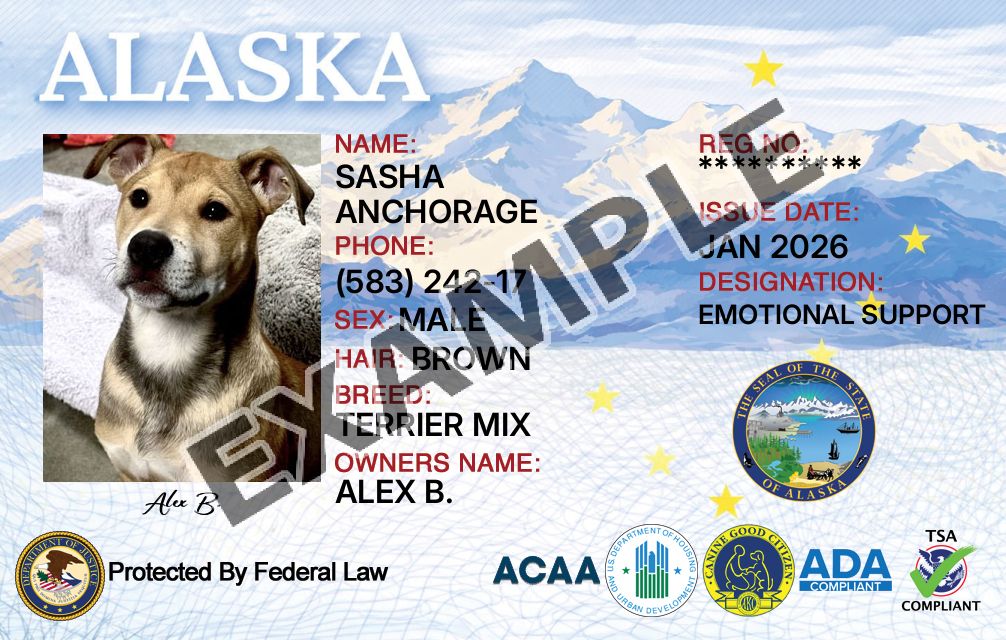
Service Dogs and Emotional Support Animals in unorganized borough, Alaska
If you’re asking, “where do I register my dog in unorganized borough County, Alaska for my service dog or emotional support dog”, the most important thing to know is that Alaska’s “Unorganized Borough” is not a single county government with one animal control department. In practice, dog licensing is handled locally—by individual cities, local police/animal control offices, or (in many rural/unincorporated areas) you may have limited or no local dog licensing program at all.
This page explains how a dog license in unorganized borough County, Alaska typically works, how rabies rules affect licensing, and what “service dog” and “emotional support animal (ESA)” status actually means—so you can avoid scams, unnecessary purchases, or paperwork that doesn’t apply.
Where to Register or License Your Dog in unorganized borough County, Alaska
Because licensing is typically handled city-by-city (or by a borough/census-area hub), below are example official offices that handle animal control and/or licensing in communities that may be within Alaska’s broader unorganized areas (or serve nearby rural regions). If an item is not shown (like hours or email), it’s because it was not available from the official source at the time of writing.
Example Official Offices (Cards)
City of Nome — Animal Control
- Address: Greg Kruschek Ave (next to the Public Safety Building)
- City/State/ZIP: Nome, AK 99762
- Phone: (907) 443-8538
- Notes: Please call to make an appointment.
City of Bethel — Animal Care & Control (via Bethel Police Department)
- Office: Bethel Police Department (Community Service / Animal Control functions)
- City/State: Bethel, AK
- Phone: Not listed on the referenced page
- Email: Not listed on the referenced page
- Hours: Not listed on the referenced page
Alaska State Troopers — Dispatch (Non-Emergency, by Region)
- Interior & Western Alaska: (907) 451-5100
- Mat-Su Valley: (907) 352-5401
- Kenai Peninsula & Southeast Alaska: (907) 262-4453
Alaska State Troopers — Anchorage/Headquarters (Contact Example)
- Office: Alaska State Troopers (Anchorage / Headquarters)
- Street Address: 5700 E Tudor Road
- City/State/ZIP: Anchorage, AK 99507
- Phone: (907) 269-5511
- Email: Not listed on the referenced page
- Hours: Not listed on the referenced page
Overview of Dog Licensing in unorganized borough County, Alaska
Why “Unorganized Borough” licensing is different
In many U.S. states, a county animal services department issues a license for every dog in the county. Alaska is different. The “Unorganized Borough” is a broad area without a single borough government providing a universal dog license program. That means there often isn’t one place to get an animal control dog license unorganized borough County, Alaska wide.
Instead, dog licensing requirements are usually created and enforced by:
- Cities (for residents inside city limits), often through the city clerk, police department, or animal control.
- Local animal control programs (where they exist), sometimes managed through police or public safety departments.
- Public health rabies guidance (state-level information and resources), especially related to bite reporting and rabies exposure.
- Law enforcement backstop in areas without local animal control (commonly Alaska State Troopers for unincorporated locations).
What a “dog license” usually means
A dog license is typically a local registration record that ties your dog to you (the owner/keeper) and confirms required vaccinations (especially rabies). Many communities issue a tag that should be worn on the dog’s collar. Licensing also helps with reunification if your dog is lost and can support public health tracking after bites.
Rabies vaccination and enforcement basics
Rabies rules matter because many communities require proof of current rabies vaccination as a condition of issuing a dog license. In Alaska, public health agencies provide rabies education and local animal control contact resources, and some municipal animal control programs state that rabies vaccination is required for licensing. If you live in a location with no licensing program, rabies vaccination is still an important public health protection and may be relevant for travel, bites, quarantines, and veterinary paperwork.
Plain-language takeaway
- If your community issues licenses, you’ll usually need rabies vaccination proof and a fee.
- If your community does not issue licenses, you generally cannot “register your dog with the unorganized borough” because there is no single borough licensing office.
- Service dog or ESA status does not replace local licensing rules where a license is required.
How Dog Licensing Works Locally in unorganized borough County, Alaska
Step 1: Confirm whether you are inside a city boundary
The biggest fork in the road is whether you live inside an incorporated city that has adopted animal ordinances. If you do, you may be required to purchase a local dog license annually and keep the tag on the dog. If you live outside city limits, there may be no local dog license program—so the right answer to where to register a dog in unorganized borough County, Alaska could be: “you register (license) only if your city requires it.”
Step 2: Call the correct local office (avoid third-party “registries”)
If a local license is required, your local government office (commonly the city clerk, animal control, or police department) will tell you: the cost, renewal schedule, what proof you need, and whether licensing is available by mail, in person, or by appointment.
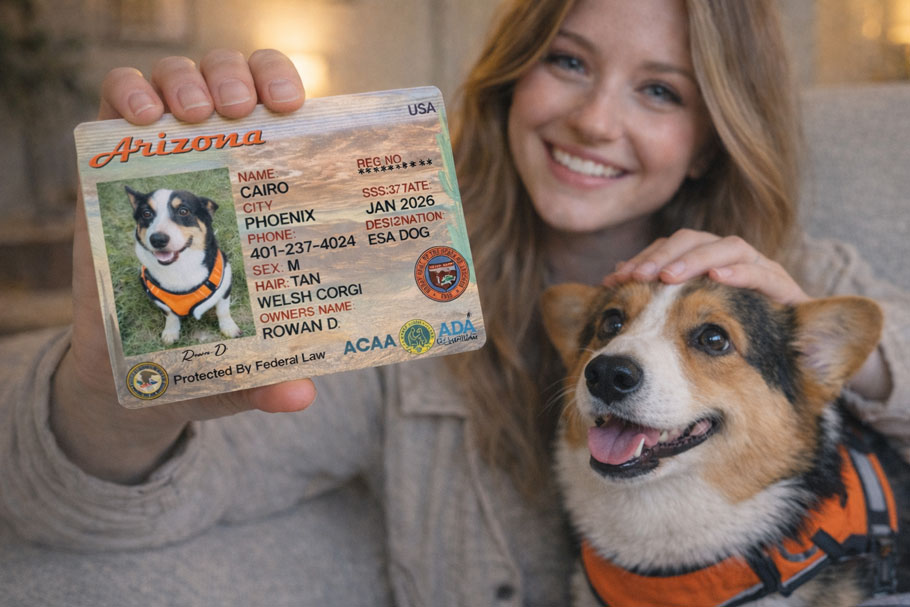
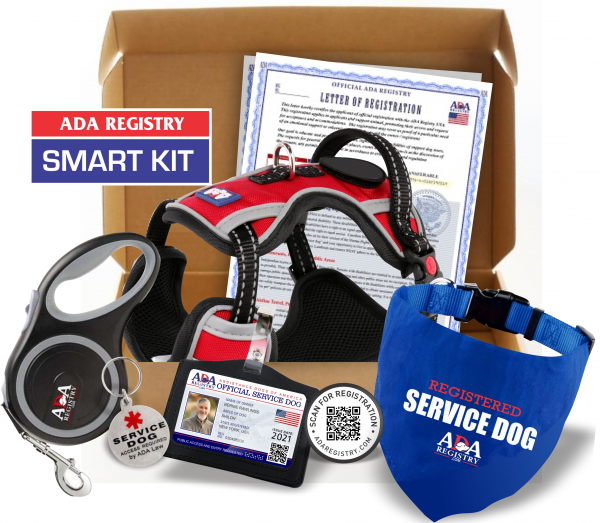
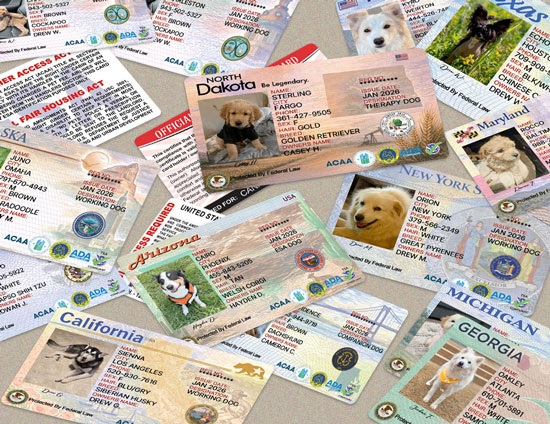
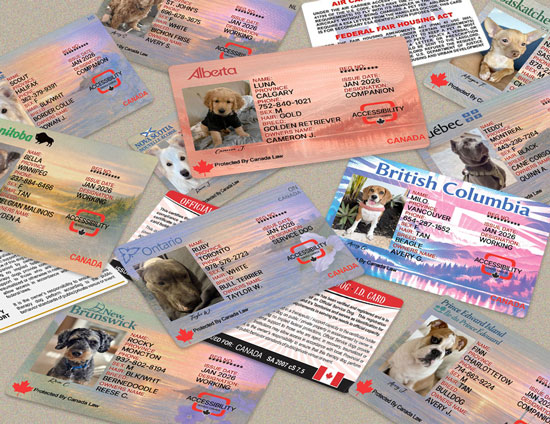
Be cautious of websites offering “official service dog registration” or “ESA registration” for a fee. Those are not government dog licenses, and they generally do not create legal rights. If you need a dog license, get it from an official government office.
Step 3: Prepare the typical documents
While requirements vary by community, many local licensing programs ask for:
- Rabies vaccination certificate (current)
- Owner identification
- Proof of residency (especially if discounts apply)
- Licensing fee (sometimes different for altered vs. unaltered dogs)
What happens if there’s no local licensing office?
In some unincorporated areas, you may find that:
- There is no local dog licensing requirement.
- There is limited animal control, and issues like bites, aggressive dogs, or cruelty complaints may route through law enforcement and public health guidance.
- Some regions have services connected to clinics, tribal environmental health programs, or regional contacts, depending on location.
Service Dog Laws in unorganized borough County, Alaska
A service dog is not the same thing as a dog license
A service dog is generally a dog that is individually trained to do work or perform tasks for a person with a disability. That legal status is about access rights (where the dog is allowed) and anti-discrimination protections—not about whether the dog is licensed.
Even if your dog is a service dog, if your city requires a dog license, you typically still need to follow the same local licensing process. In other words: service dog status does not automatically equal “registered with the city.”
Do you need a special “service dog registration” in Alaska?
In most situations, no special paid registry is required to “make” a dog a service dog. Service dog status depends on the dog’s training to perform tasks related to a disability. Some local ordinances may define service animals consistent with federal guidance and may include local rules about behavior or control, but that is different from licensing.
What local offices may ask for (and what they generally should not)
When dealing with public access (like entering a business), the questions that can be asked are limited under federal rules. For licensing, however, a city may still request standard licensing items such as rabies vaccination proof and a fee, because that applies to dogs in general.
Best practice for service dog owners (licensing + public access)
- Keep rabies vaccination current.
- License your dog if your city requires a license.
- Keep your dog under control (leash/harness/voice control as appropriate).
- Skip paid “registrations” that claim to replace training or legal requirements.
Emotional Support Animal Rules in unorganized borough County, Alaska
An ESA is not a service dog
An emotional support animal (ESA) provides comfort by its presence, but it is not trained to perform tasks in the same way a service dog is. Because of that, ESAs generally do not have the same public-access rights as service dogs.
ESAs and housing vs. licensing
ESA rules most commonly come up in housing contexts (requests for reasonable accommodation), not in city dog licensing. A landlord or housing provider may have a process for requesting an accommodation. That process is separate from any requirement to obtain a dog license in unorganized borough County, Alaska (where a local license exists).
Do you need to “register” an ESA with the government?
Typically, no. Many third-party sites sell ESA “registrations,” certificates, or ID cards. Those products are not the same as a local government dog license and do not automatically grant access rights. If you’re trying to resolve a housing issue, you generally work with the housing provider’s accommodation process. If you’re trying to comply with licensing, you work with the local city/police/animal control office.
Frequently Asked Questions
Disclaimer: Licensing requirements and office locations may change. Residents should verify details with their local animal services office within unorganized borough County, Alaska.
This page is informational and is not legal advice. Requirements can vary by city ordinances, regional services, and public health guidance.
What You May Need
SEO-focused quick answer
If you’re searching where to register a dog in unorganized borough County, Alaska, start local: check whether you’re inside a city that issues licenses. If yes, ask that city’s animal control/police/city clerk about a dog license in unorganized borough County, Alaska. If not, there may be no local licensing—and you’ll rely on regional guidance and law enforcement contacts for animal control issues.
Register A Dog In Other Alaska Counties
Select your county below to get started with your dog’s ID card. Requirements and license designs may vary by county, so choose your location to see the correct options and complete your pup’s registration.
- Aleutians East Borough County Dog Registration
- Aleutians West Census Area County Dog Registration
- Anchorage Borough County Dog Registration
- Bethel Census Area County Dog Registration
- Bristol Bay Borough County Dog Registration
- Chugach Census Area County Dog Registration
- Copper River Census Area County Dog Registration
- Denali Borough County Dog Registration
- Dillingham Census Area County Dog Registration
- Fairbanks North Star Borough County Dog Registration
- Haines Borough County Dog Registration
- Hoonah-Angoon Census Area County Dog Registration
- Juneau County Dog Registration
- Kenai Peninsula Borough County Dog Registration
- Ketchikan Gateway Borough County Dog Registration
- Kodiak Island Borough County Dog Registration
- Kusilvak Census Area County Dog Registration
- Lake and Peninsula Borough County Dog Registration
- Matanuska-Susitna Borough County Dog Registration
- Nome Census Area County Dog Registration
- North Slope Borough County Dog Registration
- Northwest Arctic County Dog Registration
- Petersburg Borough County Dog Registration
- Prince of Wales-Hyder Census Area County Dog Registration
- Sitka Borough County Dog Registration
- Skagway Borough County Dog Registration
- Southeast Fairbanks Census Area County Dog Registration
- Wrangell Borough County Dog Registration
- Yakutat Borough County Dog Registration
- Yukon-Koyukuk Census Area County Dog Registration